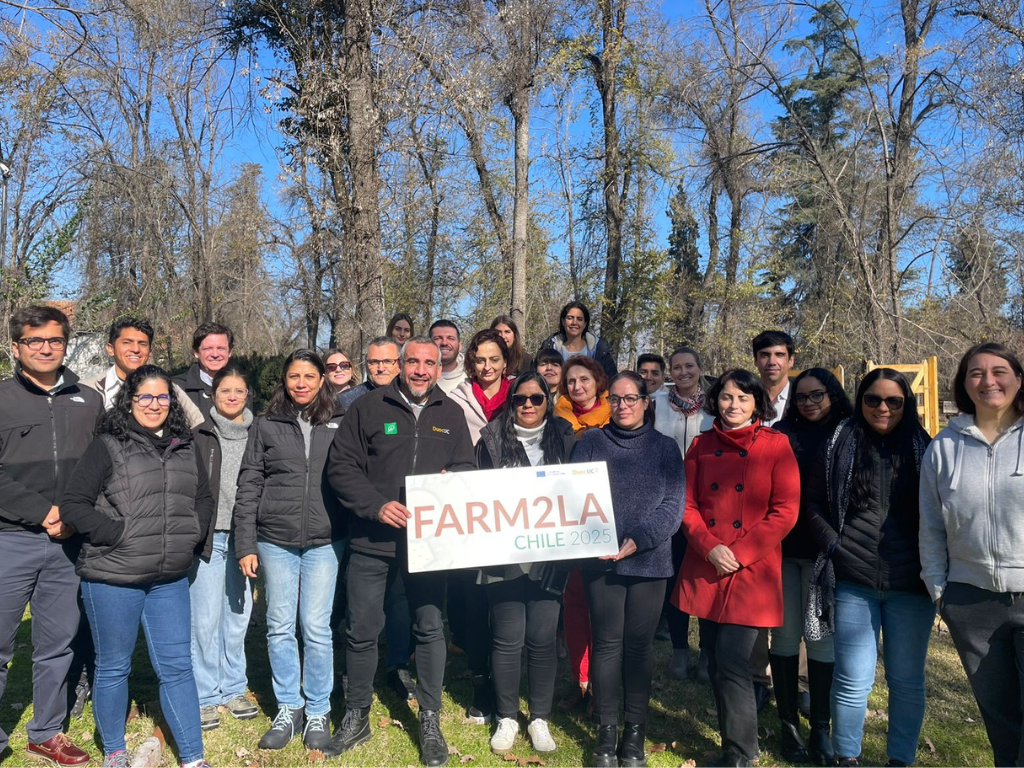
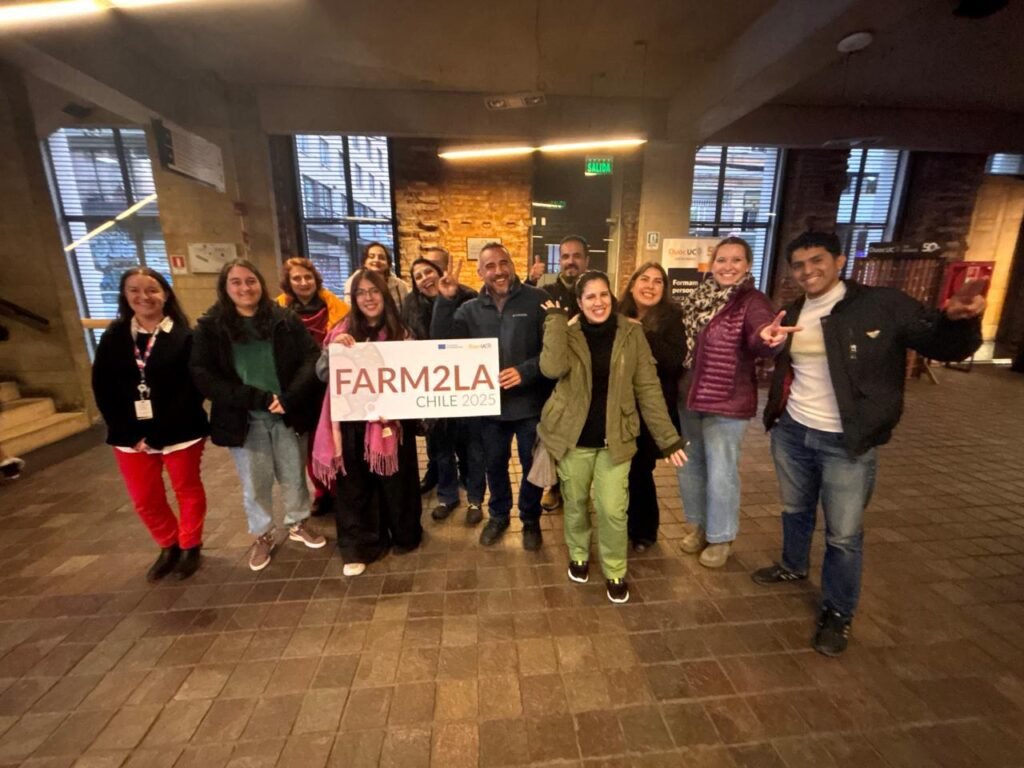
From June 23 to 27, 2025, the FARM2LA – Farm the Students training program was successfully implemented in Chile, Santiago bringing together international participants and Chilean partners for a week-long immersive experience in sustainable agriculture, viticulture, and agri-tech innovation.
Hosted in partnership with Duoc UC and held across multiple sites—including Santiago, Pirque, Viña del Mar, Quillota, and Panquehue—the program offered a dynamic blend of technical visits, academic presentations, and field demonstrations.
A Learning Journey Through Innovation and Nature
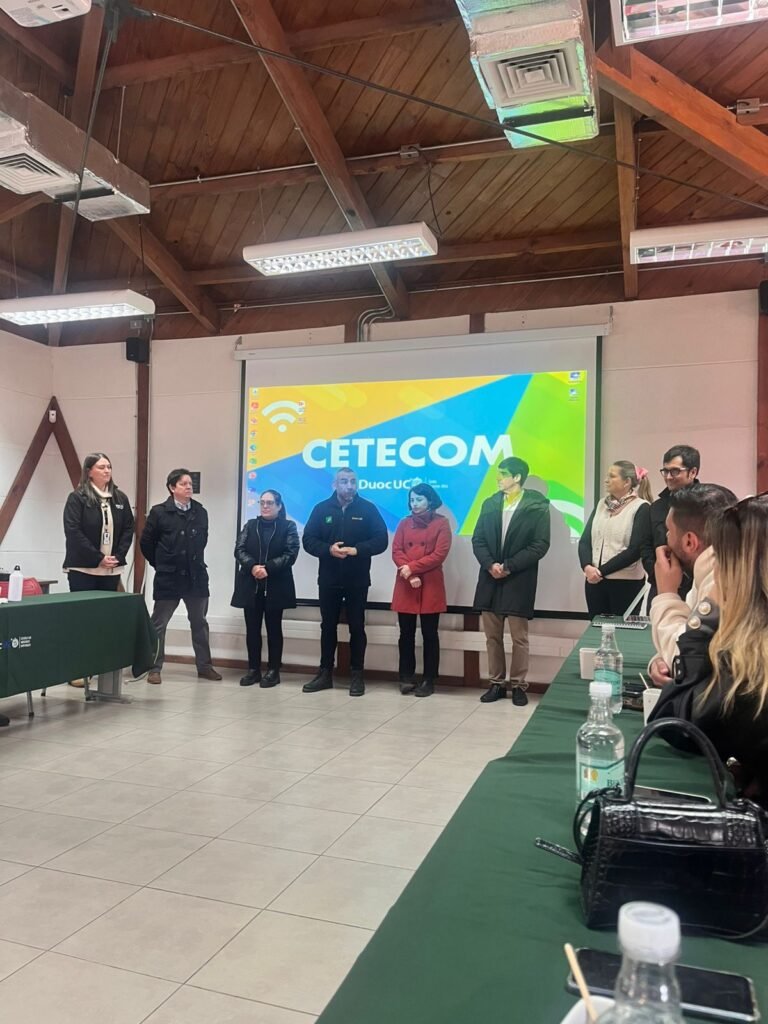
Participants were welcomed at Duoc UC, where they were introduced to Chile’s approach to agricultural education, environmental stewardship, and cutting-edge technology.
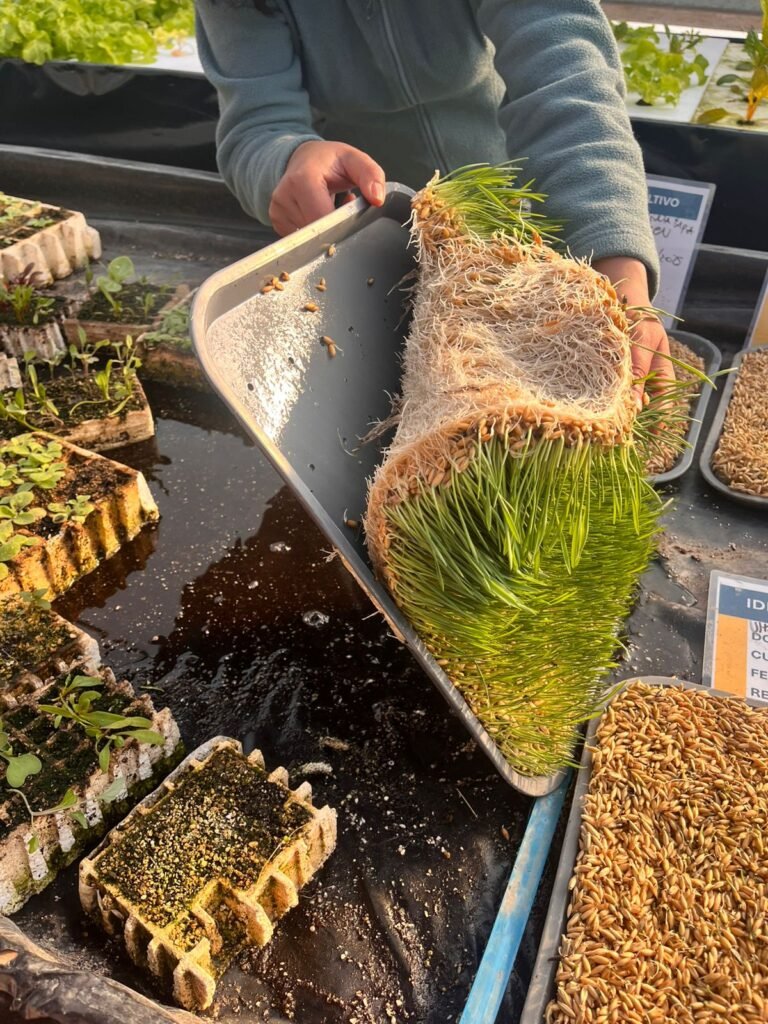
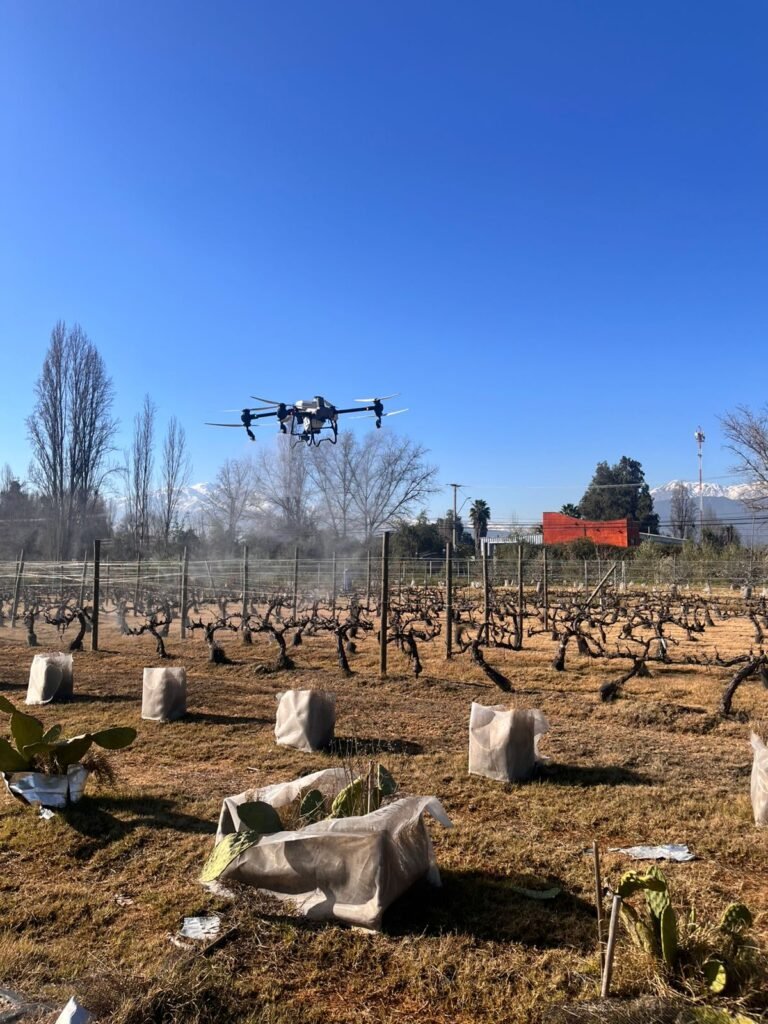
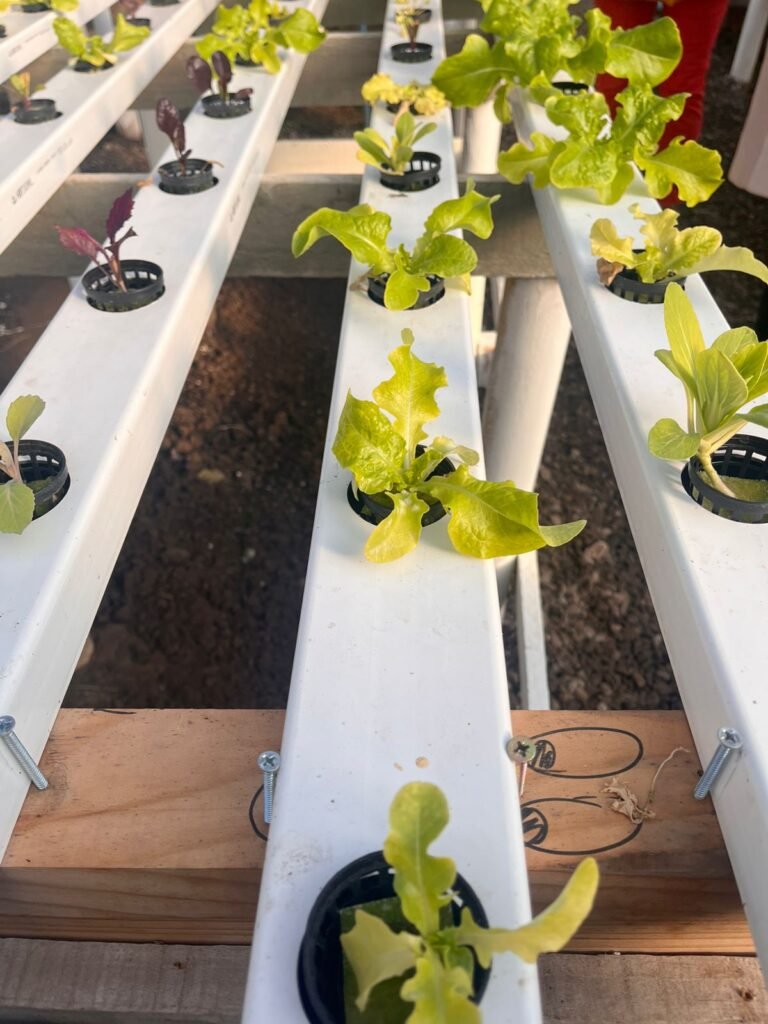
Throughout the week, the group visited agro-technological centers, organic farms, and vineyards—gaining valuable insights into sustainable production methods, such as hydroponics, drone technology, and regenerative agriculture.
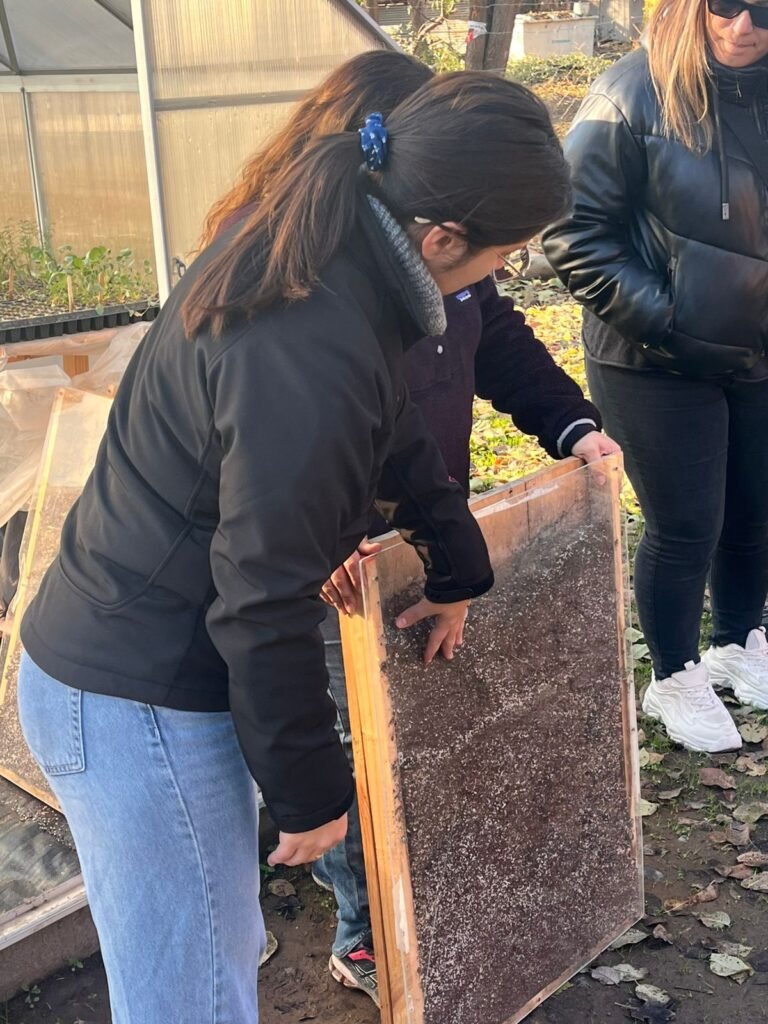
They also engaged with experts at Duoc’s Natural Resources and Agro-Technological Centers, who showcased practical demonstrations and shared case studies on climate-resilient farming practices.
This exposure deepened understanding of both the technical and ecological aspects of agriculture in a changing world.
Beyond the classroom, participants had the chance to experience Chile’s diverse agricultural regions firsthand. From the scenic vineyards of Casablanca and Pirque to organic vegetable farms in the Aconcagua Valley, the training offered immersive exposure to real-life farming operations.
A key feature of the program was the emphasis on sustainable production systems. Participants explored topics like organic certification, soil health, climate-smart practices, and food innovation through interactive site visits and expert-led discussions.
Strengthening Connections and Knowledge Exchange
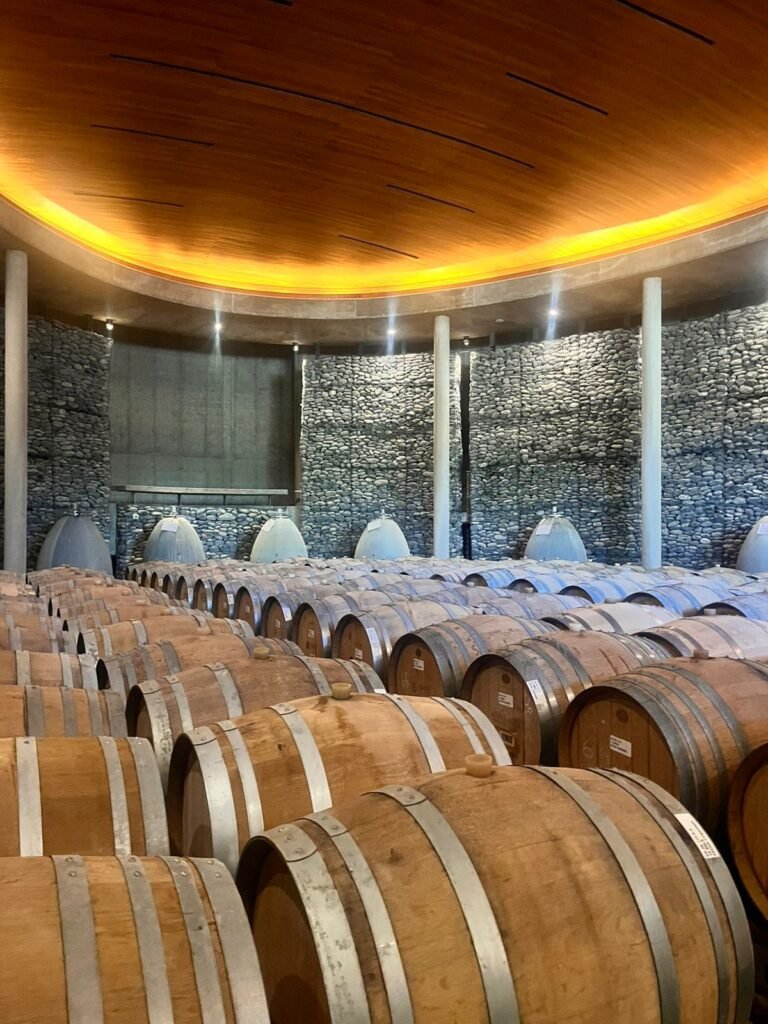
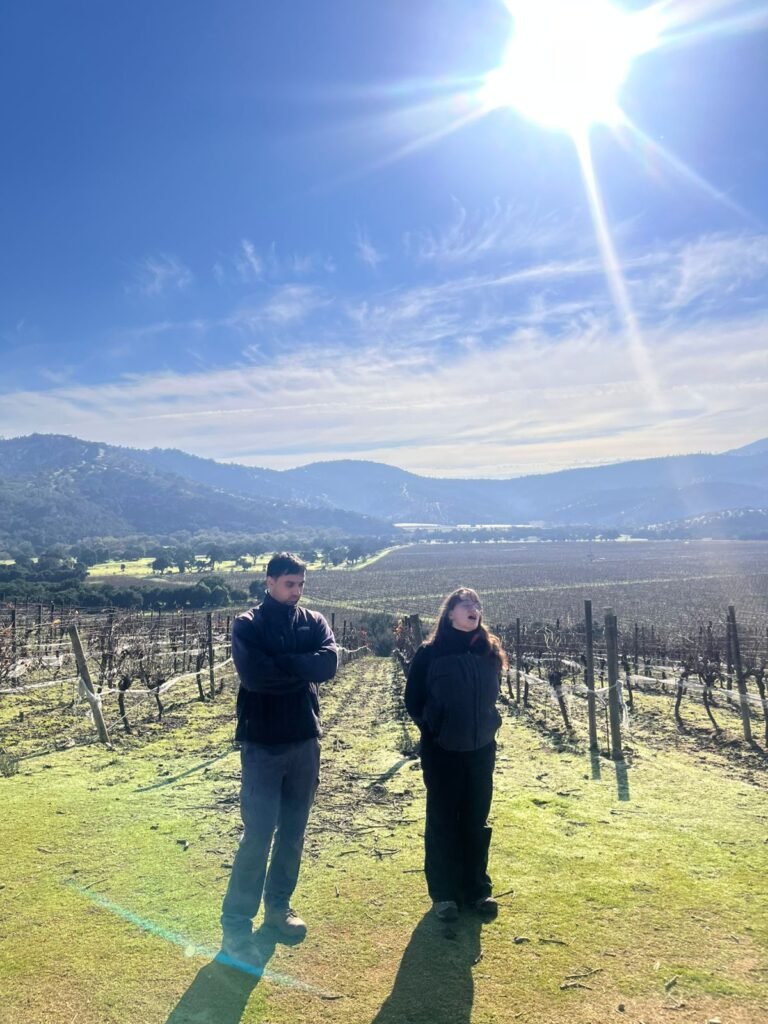
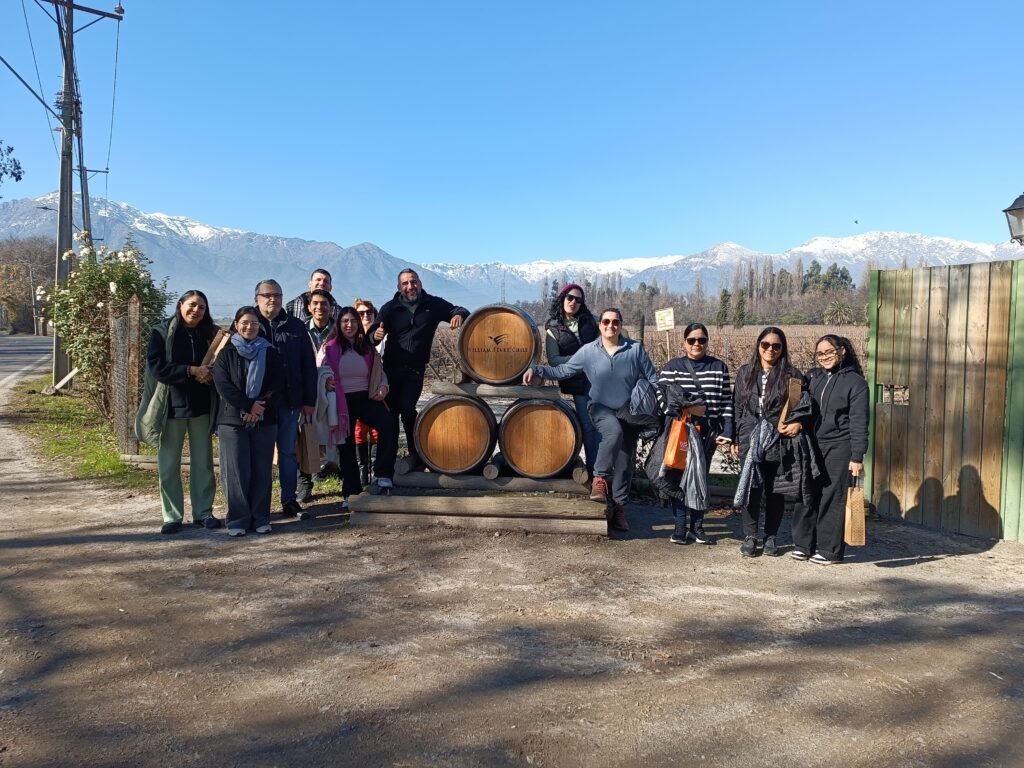
A highlight of the program was the visit to two renowned Chilean wineries—Haras de Pirque and Matetic Vineyard—each offering a unique approach to sustainable wine production.
At Haras de Pirque, located in the heart of the Maipo Valley, participants learned about organic viticulture, soil conservation, and the estate’s dedication to biodiversity and environmentally responsible practices. Surrounded by breathtaking views and historic architecture, the experience offered a deep dive into how traditional wine-making is evolving with sustainability at its core.
Later, at Matetic Vineyard in the Casablanca Valley, the focus shifted to regenerative agriculture—particularly soil and livestock integration, water efficiency, and white grape cultivation. Known for its biodynamic methods and ecological commitment, Matetic offered an inspiring example of how viticulture can harmonize with nature.
FARM2LA not only provided technical knowledge but also fostered a strong sense of collaboration and cultural exchange. Whether in a vineyard, greenhouse, or classroom, the training underscored the power of cross-border learning to drive progress in sustainable agriculture.
The program concluded with a renewed commitment among participants and organizers to continue building capacity, sharing best practices, and supporting resilient food systems in Latin America and beyond.